








When the longlists for the 2026 Bafta Film Awards were published last week, the best film and outstanding British film categories were dominated by commercial, star-driven films. ‘Twas always thus in the former; the category is always the purest reflection of the tastes of Bafta’s voting membership.
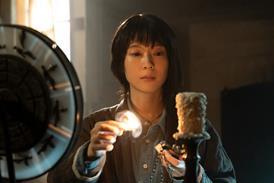
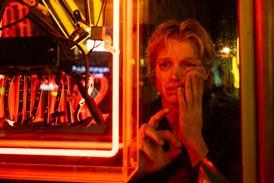
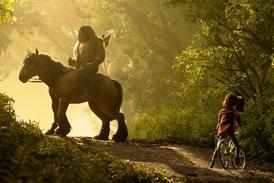
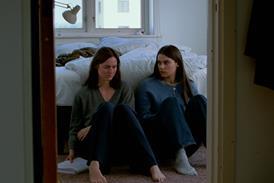
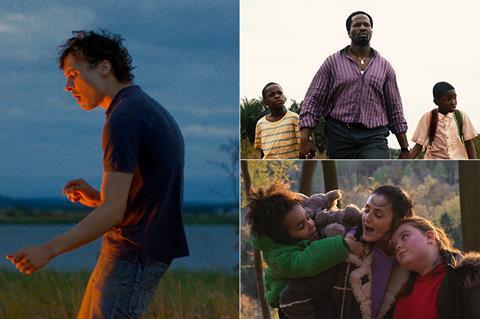
Notable – to some – by their absence in the second category are the UK indie darlings of the year, including Akinola Davies Jr’s My Father’s Shadow, Harris Dickinson’s Urchin, Cal McMau’s Wasteman, Daisy-May Hudson’s Lollipop, and Paul Andrew Williams’ Dragonfly - even if the first three have been recognised by the outstanding British debut jury and Dragonfly’s two stars, Andrea Riseborough and Brenda Blethyn, have been longlisted in the two actress categories.
But in the second year the outstanding British category has been open to all voters at longlist stage and not an opt-in choice, many who have championed these films may have felt disappointed their tastes have not been shared by the majority. But these films had premiered at major festivals! They had won a British Independent Film Award! They are directed by fresh, exciting new voices! Why weren’t they being recognised in the major British category at the UK’s biggest film awards?
The answers are all right there: the festivals, the Bifas, the new voices. They have been recognised. And further success is all to come, possibly, if they want it, for these talented filmmakers working in the arthouse space.
But for now, Bafta’s 8,000 or so film voters are a very broad church and watching just over 200 films (the total number of films entered across all the categories and hosted by Bafta View) at the busiest time of year is, quite frankly, an extremely tall order. Bafta has done well to introduce viewing groups of just 15 films, but of course, many, many voters will gravitate towards the more obviously crowd-pleasing films. It’s Christmas, the world feels uncertain at best, downright dark at worst. It is not surprising that solace is sought in the known and the bright.
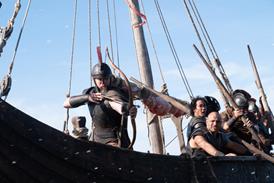
And the good! All of the 15 films longlisted for outstanding British film are produced by interesting, dynamic, mostly independent UK producers and production companies. And why not celebrate the homegrown success story of Working Title Films through recognising Bridget Jones: Mad About The Boy, the second-highest-grossing film of 2025 at the UK box office? Andrew Macdonald and Allon Reich’s DNA Films has two films nominated in Warfare and 28 Years Later, both box-office hits. Nicholas Hytner’s The Choral, produced by Kevin Loader, was one of the first films to access the Independent Film Tax Credit.
And if it can feel a bit of a stretch that Jay Roach’s The Roses is longlisted due to the UK residency of Australian writer Tony McNamara, it was shot in the UK, doubling the Devon coast for California, and many Bafta voters may have worked as crew on the film. In fact, of all the films on this longlist, only Die My Love, directed by the inestimable Lynne Ramsay, and Ballad Of A Small Player, produced by Mike Goodridge’s enterprising Good Chaos outfit, were shot outside the UK.
There’s clearly much to cheer in the inclusion on the list of smaller films – The Ballad Of Wallis Island, I Swear, H Is For Hawk and Pillion – as they will now hopefully be seen by an even greater audience.
And for all of those that did not make the longlists, being part of the Bafta conversation will have proved an invaluable experience. To have even just a quarter, say, of the eyeballs of the 8,000 voting members on them has given them an influential industry audience. These are the financiers, producers, directors, writers, craftspeople and actors with whom rising filmmakers might hope to work.
During the viewing process, every voter will likely have discovered a filmmaker of whom they had never heard, or been delighted by a film they were previously convinced would utterly bore them. And with all of the films remaining live on Bafta’s viewing platform until after the awards, there are still nearly six weeks to unearth a few more.
Understandably, every filmmaker wants to be part of the Bafta Film Awards, recognised in the outstanding British film category. The awards are the biggest moment in the UK film industry. And thankfully, it’s about very much more than winning.




No comments yet