









Who’d be a mother? Among the awards contenders this year, films dealing with themes of motherhood have tended to reject the unflappable, empathetic and cosily reassuring ideal of motherhood – part homespun wisdom, part baked goods – which has remained doggedly persistent in mainstream cinema.
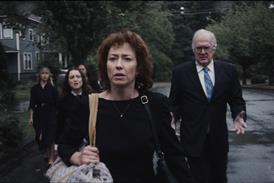
Instead, in titles like Die My Love, Left-Handed Girl, If I Had Legs I’d Kick You, Hamnet and Young Mothers, we see the flipside of being a mother: the guilt, the grief, the anxiety, the judgment, the shame and, in at least two cases, the spiralling descent into chaos and mental-health crises.
It’s no coincidence the vast majority of these pictures were made by female filmmakers. It’s also perhaps not entirely unexpected, given the way female-led stories have traditionally been undervalued by both awards commentators and voters, that some of these films have struggled to gain the traction they arguably deserve in the awards conversation.
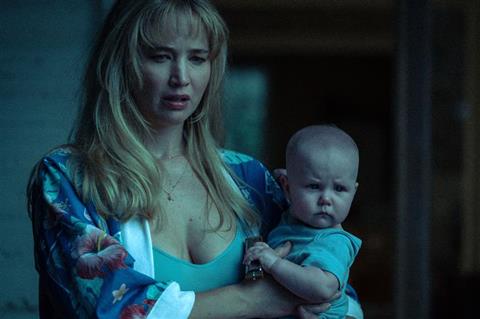
Take Lynne Ramsay’s deliberately jarring, abrasive and confrontational Die My Love. Jennifer Lawrence is deservedly a contender in the best actress race for her raw, emotionally flayed and unpredictable performance as a new mother raging and unravelling at the edges. But elsewhere, the film has less momentum.
There are many possible reasons for this – it’s a challenging picture, after all – but it certainly didn’t help that so many of the reviews following the film’s premiere in Cannes Competition earlier this year were penned by male critics. It’s not that they were negative necessarily, but many were keen to offer a diagnosis or an explanation for Lawrence’s character Grace’s behaviour (postpartum depression or postpartum psychosis were the favoured options).
Female writers, on the other hand, were in less of a hurry to label Grace’s condition and more in tune with the ferocious truths and relatability of the picture. Grace may indeed have a diagnosable disorder (it’s not specified in the film), she might be an extreme case, but there are few women who manage to navigate new motherhood without wanting to smash the bathroom to pieces or to burn the world to the ground once in a while. Ramsay’s directing choices tap into something primal and feral in the feverish blur of new motherhood.
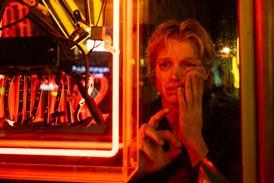
Other depictions of fraught and flawed motherhood include Mary Bronstein’s intense account of a mother on the brink, If I Had Legs I’d Kick You, which, once again, has entered the awards conversation mainly on the strength of the lead performance, in this case Rose Byrne’s two-hour howl of fury and despair.
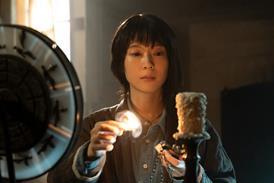
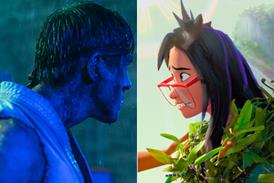
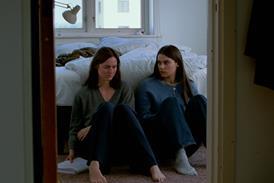
Elsewhere, Taiwan’s submission to the international category, Shih-Ching Tsou’s Left-Handed Girl, put its single mum protagonist through the wringer. Shu-fen (Janel Tsai) is struggling to support two girls, her surly older daughter and a spirited six-year-old, on the meagre earnings from her Taipei night-market noodle stand. But her burden is the weight of shame and guilt placed on her by her unsympathetic and judgmental family.
The most widely fancied of all the motherhood-themed awards contenders, Chloé Zhao’s Hamnet, is also the film that shows us the most uncontroversial and traditionally acceptable version of motherhood. Jessie Buckley’s Agnes is a free spirit and she’s a little too indulgent and individualistic in her parenting for her mother-in-law’s tastes. But she is a loving and warm mother to her children. It’s in her marriage, to Paul Mescal’s William Shakespeare, that the problems are brewing.
Even so, Agnes is tortured by guilt over her failure to keep her son safe from the plague that claims his life. Mothers tend to be judged harshly, and to judge themselves. Cinema’s flawed fathers, on the other hand – even unreliable, charming narcissists like Stellan Skarsgard’s character in Sentimental Value – have a seemingly unlimited capacity for cutting themselves some parenting slack.



No comments yet