


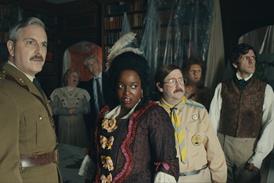
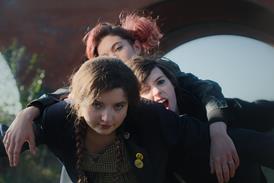



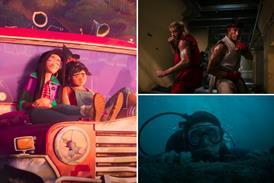
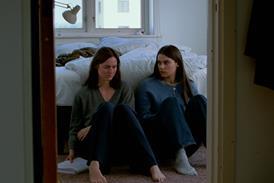
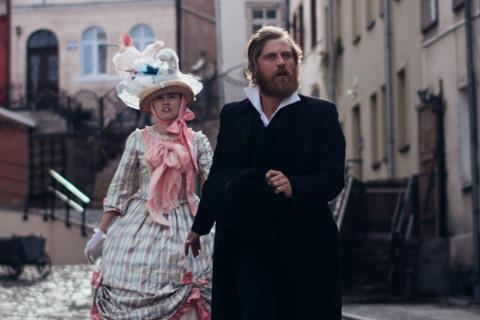
Germany’s FilmFest Hamburg opens today (September 24) with Malgorzata Szumowska’s The Idiot(s).
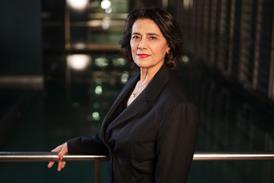
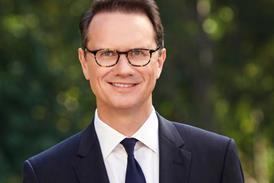
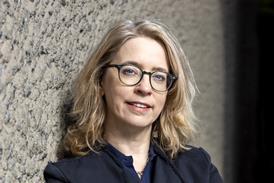
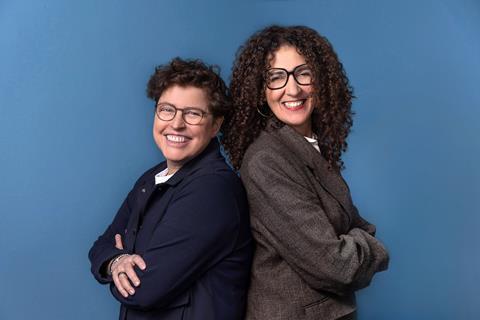
Now in her third year as festival director, Malika Rabahallah and director of programming Kathrin Kohlstedde tell Screen how this year’s edition will champion diversity in German cinema and films made by female directors.
How does FilmFest Hamburg stand out in the calendar compared to other German film festivals?
Malika Rabahallah: We clearly position ourselves as Germany’s autumn platform coming after the major festivals. We have an abundance of titles to draw on as well as new films that have completed their post-production during the summer.
In Hamburg, everything is close together, making it easy to meet lots of people in a more personal way.
Kathrin Kohlstedde: It’s very important we have a curatorial approach and contextualise the films rather than just screening them.
How do you think the festival can avoid the free speech controversy that dogged the Berlinale earlier this year?
KK: We don’t shy away from controversy because a film festival is a platform for diverse opinions and the free expression of views.
MR: At the same time, filmmakers aren’t at festivals to automatically become political spokespeople for their countries. For us, it’s quite clear that the focus should be on the films.
Which fresh directorial voices should international FilmFest attendees look out for?
KK: This year, German cinema is more diverse, unconventional and surprising than it has been for a long time, and that is precisely what we wanted to highlight. There are new directorial voices and highly personal styles, as well as established filmmakers who are constantly breaking new ground.
Five films are celebrating their world premieres in Hamburg, including Tilman König’s Der Große Zusammenbruch, Mariko Minoguchi’s The Other Side and Leonie Krippendorff’s Children Of The Sun.
After a year of scouting for films, how would you rate the health of international independent cinema?
KK: Artistically, I’d say that the situation is very stable for independent cinema. There is a real diversity of works coming from new and established filmmakers.
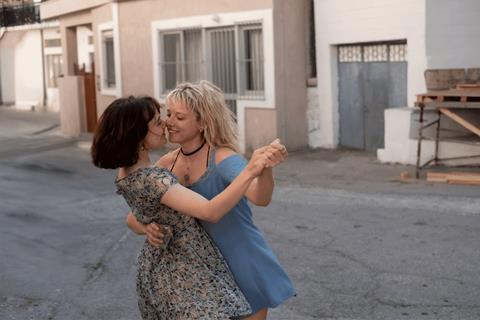
MR: We’ve always had a strong presence of French cinema, but we’ve noticed a real upswing in films coming from Spain and have programmed, among others, the Basque director Irati Gorostidi Agirretxe’s debut Aro Berria and Catalan filmmaker Meritxell Colell Aparicio’s Far From The Trees.
Venice festival director Alberto Barbera said there was a lack of good films by female filmmakers submitted to him. What have you found?
KK: Not as far as our programme is concerned. Around 40 per cent of the films screening at this year’s FilmFest are by women.
MR: Barbera is interested more in the bigger films. We certainly weren’t short on powerful films by women this year. Quite the contrary. Some of the most original and exciting works we’ve seen were directed by women. For me, the question isn’t so much whether there are enough talented female filmmakers, but whether they are given the same opportunities to make their second, third, or fourth film, with the budgets and artistic freedom they need.
What makes FilmFest’s Industry Days a must-attend autumn event?
MR: It’s really important to us the Industry Days programme is very concrete with real case studies and statistics. This year’s Explorer Konferenz begins with French co-directors Éric Toledano and Olivier Nakache talking about humour in cinema, while Norwegian producer Maria Ekerhovd will take us on Sentimental Value’s journey from development to its Oscar campaign.
The exchange of ideas over these four days will be given a boost with EWIP [European Work in Progress] and IFDS [International Film Distribution Summit] as well as Nordic and German producers participating in the second edition of Nordic NEST and the staging of the Futura Cinema incubation programme in Hamburg for the first time.
Is the festival’s total budget on a par with last year and how easy is it to attract private sponsorship?
MR: We are still operating on roughly the same budget as last year, funded through a mix of public support from the City of Hamburg, as well as ticket sales and sponsorship.
Finding sponsors hasn’t become any easier, but so far, our sponsors like Hapag-Lloyd Stiftung, Deutsche Fernsehlotterie and Studio Hamburg have remained loyal.
This will be the third year that the City of Hamburg is supporting the ’Free Admission Day’ on October 3 which is a public holiday in Germany. Audiences will be able to see 37 films from the programme free of charge.


No comments yet