



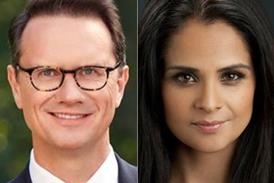
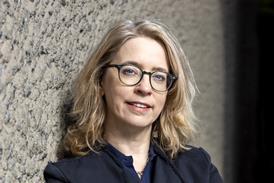




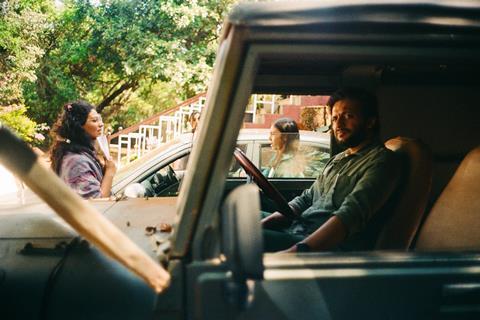
UK-based director Shalini Adnani and producer Sara Bonakdar of Fifth Mirror Pictures did not shy away from a challenge when it came to making Adnani’s feature debut, Our Share Of Sand, which has been selected for Venice Critics’ Week.
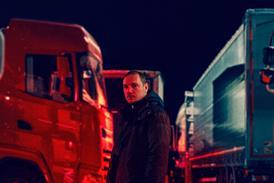
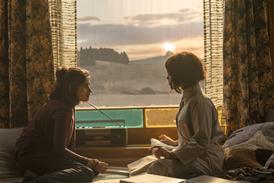
The drama follows a 12-year-old girl as she faces a moral dilemma when reunited with her estranged father. The 37-day shoot took place in Maharashtra, India, between January and March 2025, with a cast led by first-time child actor Maya Mehta.
The BFI and Film4 backed the film, with Global Constellation handling sales. Bonakdar produces alongside Heretic’s Giorgos Karnavas from Greece and Alan McAlex from India’s Suitable Pictures, as well as Balthazar de Ganay and Michael Graf.
Adnani, a Screen Star of Tomorrow 2025, and Bonakdar previously worked together on Film4-backed Sundance short White Ant. Bonakdar also previously produced Harry Lagoussis’ Edinburgh 2025 premiere, Novak, alongside Heretic.
Adnani and Bonakdar tell Screen about the draw to India, working across three different languages and the joy of collaborating with local crew.
Where did the idea of Our Share Of Sand come from?
Shalini Adnani: I had a desire to explore the summers I spent in India. I experienced it becoming more and more developed, and I saw a lot of activity in the sands. I asked my uncles about it, and they enlightened me to the sand mining crisis [in the region]. Sand is being extracted to create cement, and development is so rampant we’re running out of sand.
Around the ages of 11 to 12-years-old is when we start questioning what morality is, and I wanted to explore a morally complex world from that perspective.
How did you two first connect?
SA: We first met at a networking dinner, then reconnected at an Edinburgh International Film Festival talent lab, and started developing the project. I did the Torino extended lab when I had the seed of the idea, and very quickly we started working with Film4.
Sara Bonakdar: We knew we were going to shoot in India, and neither of us had done that before. We wanted to do our short film White Ant in India to gain experience.
Where did you shoot, and why?
SA: We originally wanted to shoot in south India, but because of budgetary reasons we ended up scouting in a place that’s eight hours from Mumbai, in a hill station called Mahabaleshwar, and we shot in the town called Wai, [in the state of Maharashtra].
Mumbai-based producer Alan McAlex of Suitable Pictures has worked on two other India-shot films from British Indian directors in recent years, Santosh and Sister Midnight. What support did he bring to the shoot?
SB: It’s incredibly valuable to have a production partner on the ground who is familiar with the UK funding structure with BFI and Film4, and aligning these two very different cultures was actually very smooth.
SA: They were invaluable with putting us in touch with key crew and talent. We were working across three languages in the film. It was English, Hindi, and Marathi. There were a lot of like Marathi speakers [on set] who didn’t speak Hindi, sometimes there was three layers of translation happening, and [Suitable Pictures] were just good at understanding all of that.
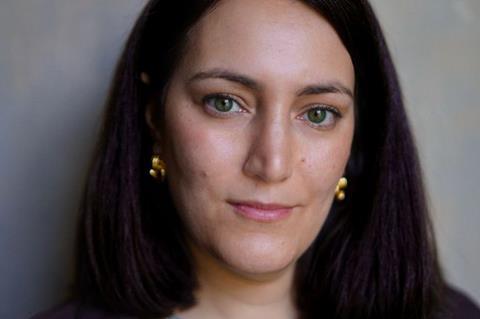
You used a location manager from Wai, Prasad Deshmukh. What was it like working with a local crew?
SA: Most of our crew were local. I can spend as many summers as I want in a country, but they’re living there. Our costume designer [Karishma Acharya] did an incredible job of researching textiles. She would go to neighbouring villages and talk to families.
What was the biggest challenge you encountered?
SB: It was a very ambitious debut because we were shooting with children on water and taking a first-time actor aboard. She needed to be adventurous and confident. And it’s also about casting [Mehta’s] parents. They were very open and adventurous. A bit too adventurous. Shalini found out they were planning to [take Mehta] paragliding. We stopped them from doing that.
SA: When we were shooting on the boats, it was hard for catering to reach us. We ended up having a chai boat. It was just wonderful to have this chai boat suddenly speed in, make sure that we had chai and then get out of shot.
How was the film funded?
SB: We tried to tap into as many funding pots as we could. The India tax incentive was a huge help for us, and we also got some public funding out of Greece, so we co-produced with Heretic and shifted some of the post-production over to Heretic. It made it into a UK-led international production. It just wouldn’t have been possible to find all the financing out of the UK.
Would you like to return and shoot in India again?
SA: I absolutely loved the experience. There’s something almost addictive about Mumbai and India and the energy that it gives you. India is a place with so many untold stories and surprises that deserve to be shared with a universal audience.






No comments yet