




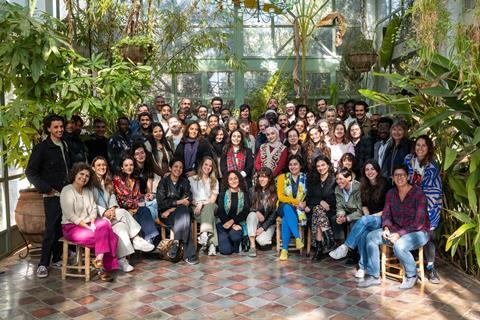
The participating filmmakers of the eighth edition of the Atlas Workshops, the project and talent development programme of the Marrakech International Film Festival (MIFF), found a safe space to introduce their projects to their peers and potential partners.
“There is a lot of solidarity and camaraderie,” said Tanzanian filmmaker Amil Shivji of the Workshops. “It has been really wonderful meeting other filmmakers in a similar space in their career and their projects.”
This year was Shivji’s third visit to the Workshops. He previously participated in the first edition of the industry event in 2018, with Tug Of War then in development, returning in 2019 with footage from the project in post. He attended this year with the development project Last Cow, about a Maasai boy and the last surviving cow in his herd, an animal that, after a freak accident, becomes an almost mythical figure.
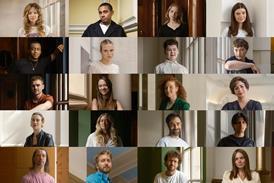
Of the total 28 projects by filmmakers from 12 MENA and African countries, 17 were in development, and 11 were in production or post-production. A further 11 filmmakers took part in the Atlas Station, along with several Moroccan professionals. More than 185 sessions were organised this year, including 90 individual consultations.
“[The Workshops are] extremely well organised,” said Palestinian filmmaker Suha Arraf, who participated in the Workshops with her second directorial feature, Chentian, now in development “Each project gets individual meetings with experts in different fields such as script consulting, production, cinematography, sound, and more, all following the presentation.
“There are also meetings for each project with festival guests, such as producers, distributors, festivals, and sales agents from different parts of the world.”
Arraf and her producer, May Odeh of Odeh Films, said she had 23 meetings with major sales companies, distributors, and production companies from territories including France, Italy, Belgium, and the Netherlands.
Chentian, Arraf’s follow-up to her Venice title Villa Touma, is the story of two sisters who find a way to reconcile their differences through shared personal adversity and an innate sense of survival.
Collaboration and warmth
MIFF’s industry activities were grouped together for the first time under the Atlas Programs banner, with the Workshops at its core and Romanian director Cristian Mungiu as the 2025 ‘patron’.
“It felt as if every meeting had been thoughtfully chosen for the specific needs of my project,” said Mozambique filmmaker Ique Langa, who was awarded the top development prize for his mystical, late-life love story Chapa 100. “The attention given to the script and the depth of the conversations helped me see the film with new clarity. I left each session feeling that my project had already grown.
“Atlas stands apart for its atmosphere of collaboration and warmth,” he added. “The sense of community among the filmmakers was immediate, and the openness with which everyone shared their work created a space where we could learn from one another with honesty and support.”
“The writing process for a second feature is really an internal process,” said Lebanese actor and filmmaker Mounia Akl, who participated with Hold Me (If You Want), the follow-up to her successful 2021 debut feature Costa Brava, Lebanon. “To take the film out to the world at such a seed moment can be really challenging. I couldn’t have imagined a better environment to do it in than the Atlas Workshops.”
Angolan filmmaker Kamy Lara participated in several labs before heading to the Atlas Workshops with her fiction feature, the social justice drama Vanda, in development.
“The Atlas Workshop is the third programme we have participated in with Vanda,” said Lara. “It has offered curated consultancy sessions and the opportunity to pitch in front of a highly relevant audience, which was extremely meaningful for the development of the project.”
“The Script Advising session with [Workshops advisor] Yasmine Benkiran was particularly important,” Lara explained. “She pushed me to think more deeply about the narrative and the construction of the characters. Her input had a real impact on the direction of the project.”
Additional advisors this year included Palestinian actress Hiam Abbass, Franco-Tunisian editor Nadia Ben Rachid, Moroccan cinematographer Amine Berrada, colourist Michael Derrossett, French-German sales company Films Boutique sales agent Gabor Greiner, and artistic director Benjamin Seznec, who works on poster design.
“The poster session was truly magical,” enthused Moroccan director Asmae El Moudir, who participated with the hybrid documentary project Don’t Let The Sun Go Up On Me. “The [colour] grading session as well.”
Don’t Let The Sun Go Up On Me, now in production, won the top prize at this year’s Workshops, ex aequo with Laila Marrakchi’s La Mas Dulce. Giancarlo Nasi Canas of Chile’s Quijote Films joined the project as co-producer.
The project is El Moudir’s follow-up to her 2023 award-winning The Mother of All Lies, which was the first Moroccan title to win the MIFF top prize, the Etoile d’Or, in 2023.
“Atlas knows how to take care of us during this creative process,” said El Moudir. “The team is dynamic and attentive.”
Don’t Let The Sun Go Up On Me explores a community known as the Children of the Moon, who live at night due to a rare genetic condition that prevents them from being exposed to the sun.
“I come here to face the Marrakech sun and shout the title of my new project, Don’t Let the Sun Go Up on Me,” said El Mourdir of her 2025 Workshops experience.
The Atlas Workshops took place alongside MIFF from November 30 to December 4, overseen by Hedi Zardi.

No comments yet