

















Stiff headwinds in the US theatrical marketplace have not stopped a host of fresh distribution companies from springing up, looking to take advantage of new ways to reach audiences.

The most prolific American buyer at last year’s Toronto International Film Festival was scarcely known in Hollywood when it touched down in Canada in early September. Theatrical distributor Row K, named after the prime seating location inside cinemas, announced itself on the eve of the festival, and went on to snap up four films, including Gus Van Sant’s Dead Man’s Wire.
Around the same time, Teddy Schwarzman’s Black Bear confirmed the first release of its new US distribution venture would be its own Toronto selection Christy starring Sydney Sweeney. A couple of weeks later, fledgling arthouse buyer 1-2 Special acquired North American rights to Erupcja, Pete Ohs’ Toronto premiere starring Charli xcx.
These companies are among a cohort of new and mostly independent US theatrical distributors to emerge in the past year or two that will be watched closely at the Berlinale and European Film Market. The space has been crying out for a shot in the arm, beset by secular box-office decline exacerbated during the pandemic and mired in a cycle of industry cost-cutting and streamer domination. Heading into the first major international festival and market of the calendar, the hope among filmmakers and exhibitors is that these new entities will play their part, alongside established peers, in revitalising a challenged sector and boosting the supply line to cinemas that have remained on edge since Covid.
Alongside Row K and Black Bear, well-capitalised companies taking the plunge into distribution include David Glasser’s production company 101 Studios, which is expected to unveil the first titles this year on an annual slate of six to eight theatrical releases budgeted in the $5m-$50m budget range. Glasser has pacted with Glen Basner’s FilmNation as 101’s international sales partner.
Besides 1-2 Special, rising arthouse and specialty buyers include Willa, Watermelon Pictures, genre outfit Chroma and the auteur-driven multi-platform Subtext. Eyes will also be on two players from the studio space: a revitalised Paramount global acquisitions group led by Lia Buman, and a new specialty division at Warner Bros of all places, led by former Neon marketing head Christian Parkes, which will target two to three releases a year aimed at the Gen Z crowd and is so new it still does not have a name.
So far, none of these newbies has announced an acquisition from last month’s Sundance Film Festival, although Parkes’ Warner Bros offshoot was a late bidder on Olivia Wilde’s Park City hit The Invite that ultimately sold to A24.
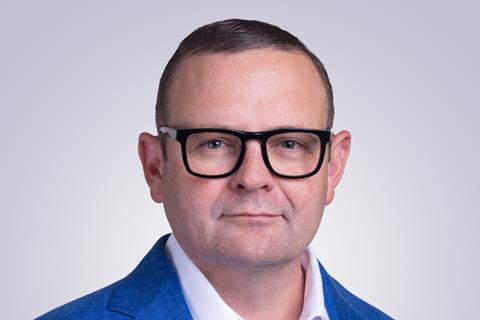
Row K is targeting a broader demographic and aims to theatrically release six to 10 star-driven features a year that will mostly go wide, while a couple with breakout potential will start smaller. “The vision is a modern-day New Line Cinema,” says Christopher Woodrow, co-chairman of Row K backer Media Capital Technologies (MCT), in reference to the storied studio that was a regular supplier to the market and was folded into Warner Bros in 2008.
Woodrow conceived the idea for Row K at last year’s exhibitor convention CinemaCon. “The exhibitors seemed hungry for a distributor that would bring content their audiences wanted to see,” says the film finance veteran. He met Megan Colligan at a summer lunch orchestrated by CAA Media Finance, and the former president of Imax Entertainment and Paramount worldwide marketing and distribution came on as Row K’s president several weeks later.
Strong start

In Toronto, the new company acquired North American rights to Van Sant’s hostage drama and Venice premiere Dead Man’s Wire, the company’s first release that opened in January in 14 theatres before expanding to 1,101, earning more than $2.2m after four weekends at press time. The three other Toronto acquisitions are Maude Apatow’s comedy Poetic License, romance Charlie Harper starring Emilia Jones, and Jaume Collet-Serra’s Cliffhanger reboot with Lily James and Pierce Brosnan.
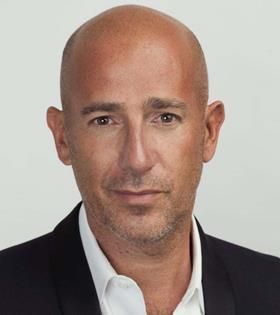
Steve Garrett, Row K’s head of distribution and acquisitions who has worked with Colligan on and off for years, says wide releases will have 45-day theatrical exclusivity while platform releases will play for 90 days. “Overall, the strategy is to lean much more into digital marketing,” he says. “The younger demographic, the under-40s, has returned to the cinemas and they can be reached that way.”
One daunting hurdle for US independent distributors has been the absence of pay-1 partners. Streamers have, by and large, withdrawn from overall deals except for A24’s recently renewed partnership with HBO Max and Neon’s arrangement with Hulu, starving theatrical buyers of funds to help with releases.
Row K has bucked the trend, striking separate pay-1 deals on Dead Man’s Wire, Poetic License and Cliffhanger. Another new company that has been structuring bespoke pay-1 windows is Aura Entertainment, the distribution joint venture that was launched on the eve of Cannes 2025 by Marc Goldberg, the US-based CEO of the UK’s Signature Entertainment, Christian Mercuri’s Capstone Studios and Jared Goetz’s Ascending Media.
Aura aims to take on up to 20 in-house and third-party titles a year with distribution components from wide theatrical to straight-to-streaming. It released an initial eight films between September and December and has approximately eight on the docket for 2026. On its first release last September, the Rainn Wilson paramedic action comedy Code 3 that first screened to buyers in 2024, Aura used data analytics and its in-house media buying team to target the emergency responders community. It partnered with producer Wayfarer Studios for a theatrical release on several hundred screens before striking digital gold.
“We worked with Hulu as a pay-1 partner and Code 3 became the number-one movie on the platform in its first 10 days,” notes Goldberg. “We gained huge exposure for a film that had been passed on by many distributors. [Pay-1] is a challenge — but at the end of the day we’re acquiring and producing films where we are listening to what those partners want.”
Brad Anderson’s sci-fi Worldbreaker starring Luke Evans and Milla Jovovich came to market at the 2023 AFM and was scheduled to open in late January, followed by Stampede Ventures’ Toronto 2024 premiere K-Pops! exclusively in AMC cinemas on February 27. Goldberg says the goal is to engage acquisition targets early: “We are looking to be more aggressive and be in that first round at the upcoming markets.”
Fresh to market

The specialty space has seen several new arrivals. One year ago Jason Hellerstein, the co-founder of distributor Sideshow, launched New York-based 1-2 Special with the goal of releasing eight to 10 festival darlings a year exclusively in theatres for around 45 days. Backed by four investors, Hellerstein, who maintains a low media profile, has quickly amassed a stockpile that includes Harris Dickinson’s Cannes Un Certain Regard prize-winner Urchin, which grossed around $200,000 last October. The 2026 pipeline includes the company’s first North American buy, Radu Jude’s 2025 Berlin Silver Bear winner Kontinental ’25, as well as Christian Petzold’s Cannes entry Mirrors No. 3, and Erupcja.
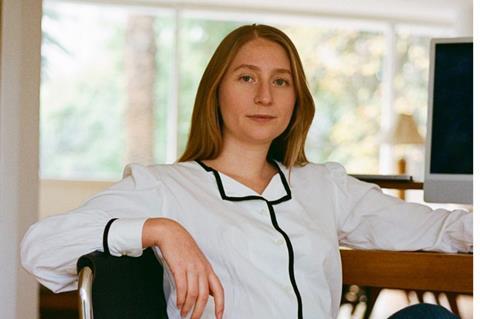
Elizabeth Woodward is the CEO of Willa, a producer-distributor looking for “culturally and socially important films” that officially launched as a distributor in 2024. In December it released Kaouther Ben Hania’s Tunisia Oscar entry The Voice Of Hind Rajab, produced in association with Willa and Watermelon Pictures. The Venice premiere had grossed more than $800,000 in North America and will have played on more than 200 screens before it arrives on digital platforms on March 10.
Woodward, a former Sundance Catalyst fellow, had been encouraged by an initial foray into distribution in 2022, when she built a hybrid distribution finance model for Dina Amer’s 2021 Venice Giornate degli Autori selection You Resemble Me that incorporated recoupable p&a funds and a non-recoupable philanthropic component. That model remains a key plank in Willa’s distribution strategy.
“I am actively pursuing ways of releasing films that don’t rely so heavily on a pay-1 window or a streaming licence as a large part of the revenue,” says Woodward. That said, Criterion did take streaming rights to Max Keegan’s 2024 The Shepherd And The Bear, an observational vérité feature that Willa will release this spring in rural and mountain communities with arthouse fanbases before expanding into traditional coastal markets.
| Title | Release date | Producer-distributor |
|---|---|---|
| K-Pops! | February 27 | Aura Entertainment |
| Palestine 36 | March 20 | Watermelon Pictures |
| Mirrors No. 3 | March 20 | 1-2 Special |
| Kontinental ’25 | March 27 | 1-2 Special |
| Marama | April | Watermelon Pictures/Dark Sky Films |
| In The Grey | April 10 | Black Bear |
| The Six Billion Dollar Man | Spring | Watermelon Pictures |
| Poetic License | May 15 | Row K |
| Tuner | May 22 | Black Bear |
| The Rivals Of Amziah King | August 14 | Black Bear |
| Cliffhanger | August 28 | Row K |
| Spa Weekend | September 4 | Black Bear |
| Charlie Harper | September 25 | Row K |
| Wife & Dog (working title) | October 23 | Black Bear |
Hamza Ali and his brother Badie are co-founders of producer-distributor Watermelon Pictures, which champions underrepresented voices and films from the MENA region, and served as exec producers on The Voice Of Hind Rajab. Launched in 2024 under the umbrella of MPI Media Group, which their father and uncle established 50 years ago, Watermelon was involved in production on the Berlinale Special Presentation Who Killed Alex Odeh?, a Sundance award winner that Dogwoof represents for international sales.
The privately held company aims to put out 10-12 theatrical features a year and will also release straight to digital platforms. The Ali brothers have assembled a 2026 theatrical release slate that includes Cherien Dabis’ Jordanian Oscar submission All That’s Left Of You in January (close to $400,000 as of February 13) and the upcoming Palestine Oscar entry Palestine 36, which has been pushed from March 13 to March 20. Both will top out in the 100-200 screen range, while others will play on 10-20. Social media plays a big role in promotion — Watermelon boasts close to 300,000 Instagram followers — as do outreach campaigns.
“If I could wave a magic wand, it would be to get more support from the major streamers to maximise viewership,” says Ali. “That’s something we haven’t had on these more politically engaged films, despite getting onto shortlists and in some cases earning Academy and Golden Globe nominations. That’s been a challenge, and it’s why we also have our own streaming platform [Watermelon+ launched in 2025].”
Ali, who also serves as MPI Media Group president, adds: “We are filling a gap in the market and not only with Palestinian films. We’re making it clear that we’re the fearless distributor that will release the films that others may not.”






No comments yet