


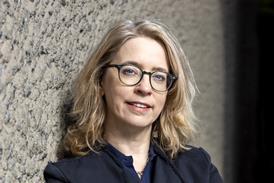




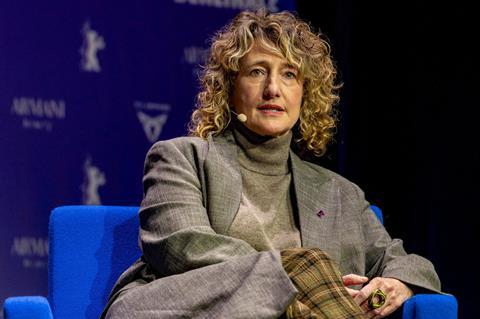
Berlin Film Festival director Tricia Tuttle has responded to an open letter critical of the festival’s stance on Gaza, saying the festival “recognises the depth of anger and frustration about the suffering of people in Gaza, and the urgency that people feel to speak out and make their voices heard.”
Tuttle added that “we strongly disagree with the presentation of misinformation, inaccurate claims about the Berlinale that have no evidence and are anonymous claims.” She also reiterated the festival’s independence from the German federal government in artistic and programming decisions, as outlined on its website.
Yesterday saw the publication of an open letter signed by over 80 high-profile former Berlinale attendees, accusing the festival of “censoring artists who oppose Israel’s ongoing genocide against Palestinians in Gaza and the German state’s key role in enabling it.”
Screen spoke with Tuttle for her response to the letter and to hear how the controversy around political speech is affecting the festival.
What is your response to yesterday’s open letter?
We recognise where this comes from – the depth of anger and frustration about the suffering of people in Gaza, and the urgency people feel to speak out and make their voices heard. We really get that.
We strongly disagree with the presentation of misinformation; inaccurate claims about the Berlinale that have no evidence or are anonymous claims where we don’t know who has made them, and we reject them. We think it’s fair to disagree, but spreading misinformation is dangerous. It damages the festival and it damages lots of people who work hard to make sure that we’re creating a platform for films, but also that’s safe and fair and can reflect many different perspectives on the world.
That this comes from an anonymous campaign is problematic, and we don’t recognise the overall portrait that’s being put forward. A lot of care goes into looking after our filmmakers; we’re always open to having conversations. We reject that our programmers have intimidated filmmakers, that we’ve silenced filmmakers.
We’ve always tried to create a platform where you can have fair and civilised dialogue. We also want to support people who want to use their platforms to speak out about issues they care about, including people speaking out about the violence that’s continuing to be enacted upon the people of Gaza and the failure of politics and diplomacy to address this.
Not everyone wants to talk about this issue, as serious as it may be in their own lives. Some people want to come to the festival for other reasons. The festival needs to provide space for filmmakers to talk about their work, but not necessarily always be the story themselves. This clearly hasn’t worked for the activist campaign, who want us to say what they want us to say, and anything less than that is going to result in continued harassment and misinformation. We are in the process of reaching out to some of the people we know who have signed the letter, to make sure they really understand what they’ve signed – and that what they’ve signed is not fair or accurate.
What message do you have for those who have signed the letter, and those who may be considering doing so?
We understand why they’re speaking out and where their strength of feeling comes from. They know us – we’re a 76-year-old festival that has always stood for inclusion, multiple perspectives and understanding. We want to have a dialogue instead of statements that are based on inaccuracies.
Pick up the phone, call us. Ask us hard questions, see if you are happy with our answers. But it’s not fair to present inaccuracies or half-truths, and present them in a way that harms this platform and the ecosystem on which we all rely.
What is your response to the allegation of censorship of filmmakers?
Absolutely not. We’ve put out many statements about our position on free speech – it’s all there. We back free speech within the bounds of German law.
Why has the festival not done what is urged in the letter – condemn the actions of the Israeli state in Gaza?
We are representing lots of people who have different views, including lots of people who live in Germany who want a more complex understanding of Israel’s positionality than maybe the rest of the world has right now. A lot of that is shifting; people are realising that maybe staatsräson [the commitment in German law to Israel’s security, rooted in historical responsibility for the Holocaust] is holding us back from having important conversations about the government that is currently in power in Israel. It’s complex, and that is one of the reasons we want to hold space for that complexity.
What conversations have you had with your jury and jury president about this?
It’s tough for them. We’ve been holding space for how everyone is feeling, and whether anyone wants to make a statement. Right now, it doesn’t necessarily help to do that.
How might this affect the readiness of high-profile talent to attend the Berlinale in future?
We’ll have to wait and see. We have to get through this, and I hope that people recognise and speak up for us and say, “That is not my experience.” We need that. It’s a tough point right now; we need to get to the other side of it before I say for sure. But it’s not good for the festival at all. I would urge all colleagues who work in the film industry to think carefully about claims and test whether they feel there’s enough evidence to be spreading the allegations made about the Berlinale, before they share them.
If you publish an open letter, you take on a huge responsibility – you’re saying you believe that’s supportable, evidence-based claims you’re making against an institution. I’m not sure that’s always happened.
Have you had contact with your funders at German state level about this?
Not about [the open letter]. We’ve talked about how difficult the first few days were, particularly in relation to our jury, and how difficult it has been for them to navigate this.
What toll is this taking on yourself and your team?
It is really hard on the team. A lot of what we’ve been trying to do over the past couple of years is protect our filmmakers and our team. This beautiful work from filmmakers is not being talked about in the way that it should be.
We spent a lot of time in my first year flagging misinformation and misconceptions that were coming from other sources about antisemitism at the festival. There was an antisemitism resolution passed in the Bundestag, and we have never accepted that, and have pushed back against it publicly as an unfair reframing of discourse at the Berlinale. We haven’t stood by and accepted the framing of any legitimate criticism of state policy as antisemitism. We’ve protected that space for people to speak up, and that’s being forgotten.
Is the festival planning to address this publicly, including at the closing ceremony on Saturday?
We’re taking one step at a time right now.



No comments yet