The first film from British-based Nigerian filmmaker Olive Nwosu premieres in Sundance before playing Berlin

Dir/scr: Olive Nwosu. UK/Nigeria. 2025. 92mins
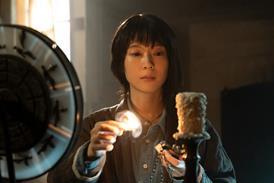
A female taxi driver navigating the congested streets of the Nigerian capital Lagos, Lady (Jessica Gabriel’s Ujah) squares up to each day behind the wheel as if she’s preparing for a fight. Which in many ways she is. Rampant government corruption and spiralling fuel inflation make survival a battle. Then a figure from her past returns with an offer, and the reserved Lady finds herself driving a group of free-spirited sex workers around the city each night; an experience that encourages Lady to look with fresh eyes on both her past and her future.The feature debut from Olive Nwosu, Lady is a vivid, bracingly energetic examination of sisterhood and female bonds in an unequal society.
A vivid, energetic examination of sisterhood and female bonds
Developed at the Sundance lab and screening in Sundance’s World Cinema Dramatic Competition before a slot in Berlin’s Panorama strand, Lady is an eye-catching debut for Nwosu. The Nigeria-born, British-based filmmaker cut her teeth with two well-received shorts: Troublemaker (2019), the first Igbo-language film on the Criterion Channel; and Masquerade (2021) which premiered at TIFF, screened at Sundance and picked up several festival prizes. Lady’s Sundance and Berlin play should launch a healthy festival journey, and the picture should be a title of interest for distributors looking for distinctive female-led stories and new voices from Africa.
The film opens with an inverted view of the Lagos lagoon, shot from the point of view of two children dangling from the makeshift pontoon of a shack in the Makoko Floating Village (an atmospheric location, and likely a challenging one from a logistical perspective). They are Lady and her friend Pinky as children, and this moment of innocence is about to be shattered, the film hints, by a discovery that will turn Lady’s life upside down.
We don’t immediately learn what it is that Lady sees when she searches for her mother. But when we encounter her as an adult, she is fiercely self-contained and has built a wall around the vulnerable parts of her life. Her encounters with her fellow taxi drivers – all male – are friendly, if somewhat combative. But she stands apart from them rather than with them: she would rather hustle for work than join her colleagues in solidarity in the fuel protests that are sweeping the city. On the radio, the voice of DJ Revolution (Seun Kuti) urges the population to rise up as one and to “decolonise their minds”, but Lady tunes him out. She has one aim in life: to earn enough to relocate from Lagos to Freetown in Sierra Leone, her mother’s birthplace and, for Lady, a place that symbolises liberation and independence.
Her solitary life is interrupted by the return of Pinky (Amanda Oruh), and the offer of a job that pays too much to refuse. And Lady finds herself, unwillingly at first, part of a raucous community of women. Repeated cutaway shots of Catholic iconography suggest that Lady comes from a strictly religious background. But her initial distaste for the women’s line of work and their forthright sexuality is rooted deeper, in childhood trauma. Gradually, however, over the long, dangerous nights driving the sex workers to bookings, Lady learns to accept their choices and feels a growing bond with the women.
Like last year’s My Father’s Shadow, by Akinola Davis Jr, the story unfolds in a Lagos in which political tensions are at boiling point. Through a combination of restless, watchful camera and a brassy, Afro-jazz infused score, Nwosu imbues the picture with an ominous sense of trepidation. Fragile dreams of escape like the one Lady cherishes tend to be crushed by the realities of life in in the city. But liberation arrives in many shapes and forms. For Lady, a kind of freedom comes from finally finding a community, and something else to fight for.
Production company: Ossian International
International sales: HanWay Films info@hanwayfilms.com
Producers: Alex Polunin, John Giwa-Amu, Stella Nwimo
Cinematography: Alana Mejia Gonzalez
Production design: Richard Evans
Editing: Colin Monie, Gareth C Scales
Music: Ollie Mayo
Main cast: Jessica Gabriel’s Ujah, Amanda Oruh, Tinuade Jemiseye, Binta Ayo Mogaji, Seun Kuti, Bucci Franklin


No comments yet