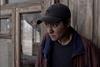









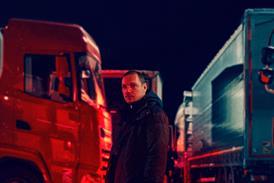

Ozgu Namal and Tansu Bicer star in Catack’s meticulously-calibrated Berlin competition title
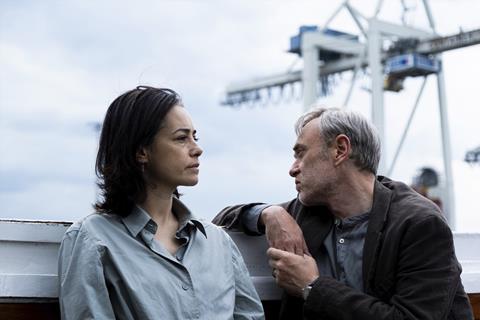
Dir: Ilker Catak. 2026. Germany/France/Turkey. 127mins
German director Ilker Catak follows his Oscar-nominated The Teacher’s Lounge (2023) with another impressive work that builds on that film’s potent themes of alienation and persecution. This story of a left-leaning Turkish couple who find their comfortable life in Ankara under increasing pressure when they draw the unwelcome attention of the state unfolds on a bigger canvas – and has less of a propulsive immediacy because of that. Yet Catak retains an effectively claustrophobic atmosphere and a tight focus on his characters and their issues.
Tackles a weighty issue via an intimate framework
He is helped by headliners Ozgu Namal and Tansu Bicer, who both turn in performances as meticulously calibrated as the measured screenplay, written by Catak along with Ayda Meryem Catak and Enis Kostepen. That should certainly help the film, which was shot in Germany, on to further festival play following its debut in Berlin Competition, and it could well follow The Teacher’s Lounge into widespread theatrical distribution. The German release will be handled by Alamode.
When we first meet married couple Derya (Namal) and Aziz (Bicer), rehearsing for a politically-charged play written by him and starring her, we get a sense that this is a balanced, well-worn partnership. She is the star – well-known, like Namal, for her stage and TV work – and while he is firmly behind-the-scenes, he is no less artistically dynamic and is also a respected university academic. As we see from the large, attractive Ankara apartment in which the couple live with their teenage daughter Ezgi (Lelya Smyrna Cabas, excellent), their work has afforded them a certain social privilege.
These early sequences are set against the quiet rumble of political unrest; the TV news talks of protests, there is clearly something brewing on the streets of Ankara, but it seems far removed from this couple’s cloistered life. Yet when Derya snubs an important politician by refusing him an opening night photo, and Aziz encourages his students to join the anti-establishment protests, they find themselves pulled into the fray. Both are unceremoniously stripped of their positions and, unable to work, head for Istanbul to move in with Aziz’s mother (Ipek Bilgin) in her cramped apartment. As the couple struggle to balance their ideals with their new financial reality, their relationship comes under serious strain.
Catak was inspired by hundreds of real stories of Turkish creatives and academics being dismissed for spurious reasons; the film is named after the colour of the state’s dismissal letters (and the title of the play which Derya and Aziz go on to stage.) But he has not framed Yellow Letters as a straightforward protest polemic, preferring to tackle this weighty issue via the intimate framework of a family under extreme and unexpected duress.
Indeed, the film’s strength lies in its refusal to reduce its narrative to a simple case of moral blacks and whites. The motives of the Turkish state are clear enough and Catak doesn’t overstate either the acts or their implications. Instead, the fallout is explored on a domestic, micro level. Marvin Miller’s score stays away from the grandiose, favouring tentative, questioning strings, while camerawork from Judith Kaufman lingers on the intimate and everyday; close-ups on clasped hands, Aziz typing furiously at his mother’s tiny kitchen table. Later, a tense family meal with Derya’s traditional, patriarchal brother Salih (Aydin Isik) and his family hints at wider cultural fissures.
Crucially, Aziz and Derya are not presented as flawless ciphers for justice. They may be buffeted by events out of their control, but they are also inconsistent in their own behaviours. They believe in liberty and equality, but also want Ezgi to attend a private school. Aziz is fierce in his determination to use art as a protest tool, but fearful of raising his voice on the streets; he has no religious faith but visits the local mosque to save face. And while the practicalities of the situation may force her hand, Derya is quick to put aside her own moral misgivings when she is offered a lucrative TV gig on a state-sanctioned channel.
Adding to this sense of duality and performance, Catak is up front about the fact that this Turkish tale was not made in Turkey. Brief skyline shots, German signage and striking red intertitles – ‘Berlin For Ankara’ says one, ‘Hamburg For Istanbul’ says another – draw the viewer into the artifice. It’s a surprising and effective device, one which leans into the theatrical elements of the narrative and passes comment on the restrictions placed on Turkish creatives, many of whom have been forced into exile. And, as free speech and creative expression come under threat the world over, it also underscores the insidious universality of this story.
Production company: if… Productions,
International sales: Be For Films info@beforefilms.com
Producer: Ingo Fliess
Screenwriters: Ilker Catak, Ayda Meryem Catak, Enis Kostepen
Cinematography: Judith Kaufmann
Production design: Zazie Knepper
Editing: Gesa Jager
Music: Marvin Miller
Main cast: Ozgu Namal, Tansu Bicer, Leyla Smyrna Cabas, Ipek Bilgin, Aydin Isik