











DOK Leipzig, which opens today (October 26) and runs to November 1, offers a coproduction event with a difference.
Whereas other big documentary festivals have filmmakers pitching their projects to potential backers on stage in a hothouse atmosphere, the Leipzig meeting, which takes place on October 26 and 27, comprises over 900 calm and orderly business encounters.
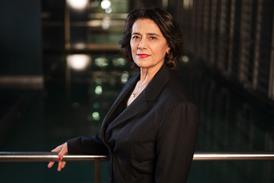
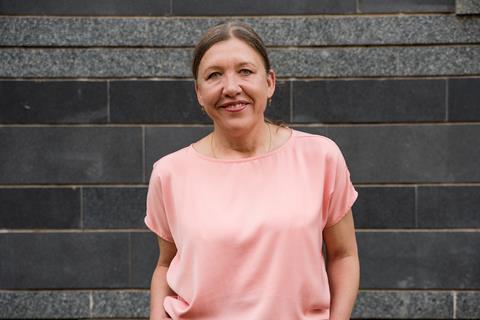
“It is a very efficient yet friendly business space that we are trying to create,” explains Nadja Tennstedt, now in her sixth edition as director of industry. “There is no central pitch. There is no presenting in front of an audience.”
Tennstedt acknowledges it “can be great for audiences to have filmmakers there to present something they are working on,” but argues that pitches work best when projects are more advanced. “Also, pitching is much easier for people whose native language is English.”
She and her team look for “early-stage projects. It is important for us that they have a little bit of development funding attached”. The idea is to provide a chance for filmmakers to refine and improve their films while getting some initial feedback from the market.
“We also have offers for projects at different stages but the CoPro market is really a platform for projects in development. We are the largest international market for documentary in Germany.”
Thirty-four international projects have been chosen for the CoPro market, selected from close to 400 submissions. Films range in budget from €136,000 to €1.2m.
Focus on women
“It was interesting how many films deal with the topic of women’s bodies in relationship to states, hierarchies and structures,” Tennstedt says of this year’s selection.
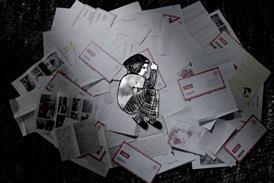
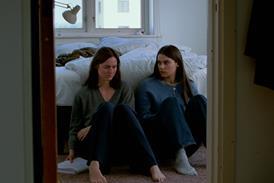
Among the titles she cites is I Am Every Woman, a partially animated documentary from Romanian and Bulgarian directors Ruxandra Gubernat and Maria Stanisheva, exploring questions of infertility and loss in communist regimes as they transition into capitalist societies.
Junior Mozese’s Abeti follows a young woman in Kinshasa dealing with tough economic circumstances and single motherhood, while South Korean director Juyeon Yang’s Neither Shadow Nor Light looks at sexual violence in the wake of the Gwangju student protests in 1980.
“These are films from different regions of the world but with similar preoccupations,” suggests Tennstedt.
More advanced projects are pitched at DOK Preview Germany, which is a launchpad for German works in progress, and DOK Preview International, aiming to boost projects looking for gap financing, distribution and festival premieres.
Most industry delegates are from Europe but some do come from further afield. For example, this year New York-based Chicken & Egg will be in attendance. Several leading sales agents will also be in town, among them Lightdox CEO Anna Berthollet and Autlook CEO Stephanie Fuchs.
African presence
Five rough cut projects from Africa are being presented through the Generation Africa 2.0 initiative run by Cape Town-based non-profit media outfit, Steps. The selection includes Beninese director Marzouk Bankole’s Green God, following a young environmental journalist as she explores African spirituality and forest preservation.
There will also be a delegation of African distributors in town, attending as part of the festival’s partnership with the European Film Market’s Toolbox programme to empower a new generation of African distributors.
“Collaboration is in our DNA,” says Tennstedt of the many initiatives that she and her team hatch together with other festivals and organisations. Another example is the Doc Together strand on which it works with the Thessaloniki International Documentary Festival to highlight risks to freedom of expression. The aim is to provide practical assistance to filmmakers working in exile or under authoritarian governments and in regions of conflict.
As ever, industry debates are picking up on issues for the sector. The Archive Market, now in its fifth edition, will host a talk with panelists including Dr. Adelheid Heftberger from the German Bundesarchiv in Berlin and Matěj Strnad from Czech National Film Archive about the troubling ethical challenges for archives in a new era of AI and image manipulation.
Leipzig is also the only documentary event of its kind where animation is foregrounded to such an extent. One focus this year is on how best to grow the market for animation aimed at adults.
How does Tennstedt measure success? “That’s a good question,” she says. “We are tracking every project that goes through our platforms, trying to collect and analyse data. But we are also happy if we can be good hosts and inspire our guests with our programming.”





No comments yet