














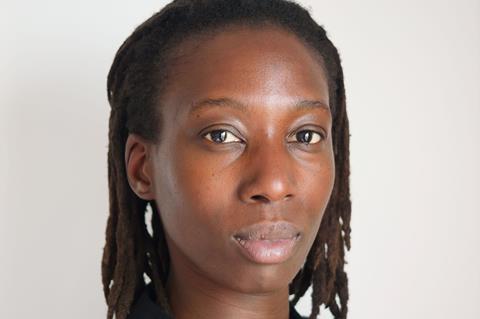
Sata Cissokho took over as head of the Berlinale’s World Cinema Fund (WCF) in September 2025, picking up the reins from Vincenzo Bugno, who spent 21 years in the role.
The former Paradise City Sales exec acknowledges the WCF “will go through a bit of revamping” to ensure it is in line with the needs of filmmakers who access the fund.
But she says a key focus will be “maintaining the artistic excellence of the fund”, which launched in 2004 with the goal of supporting filmmaking in regions with a weak film infrastructure.
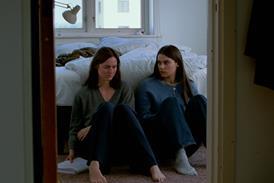
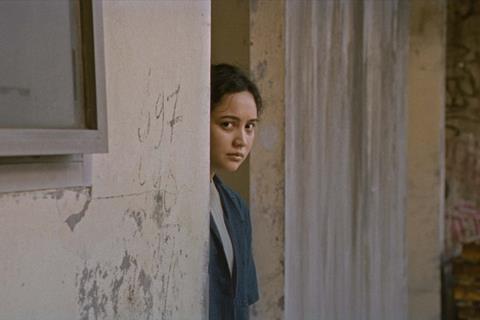
This year, there were two films backed by WCF selected for the Berlinale: Indonesian director Edwin’s Sleep No More in Berlinale Special, and Paraguayan director Marcelo Martinessa’s Narciso.
Cissokho sees the fund as a ‘bridge’ between Europe and countries eligible for funding, fostering collaborations between German and European producers and filmmakers from the Global South.
“It’s really allowing for more diversity in film production and on the screens in festivals, and offering opportunities for filmmakers with a strong artistic vision,” she says. ”The fund has a very strong cultural impact on top of the impact that it has on the industry.”
She emphasises support provided by the fund “goes into the actual production of the films in the local country, rather than going to the minority co-producer. That’s something that is quite unique, and that really allows it to contribute to the local industry much more than benefiting the European partner.”
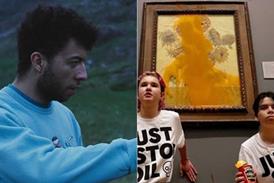
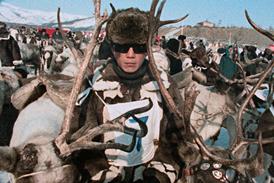
Sixteen WCF-supported films premiered last year, including Thai director Ratchapoom Boonbunchachoke’s absurdist comedy A Useful Ghost, winner of Cannes’ Critics Week; Diego Céspedes’ The Mysterious Gaze Of The Flamingo, winner of Cannes’ Un Certain Regard; and Ivan Fund’s The Message, winner of the Berlinale’s Silver Bear jury prize.
The fund backs around 10-15 films a year, with between €30,000-60,000 each. It concentrates on the production and distribution of films from Latin America, the Caribbean and Pacific region, Africa, the Middle East, Central and Southeast Asia, the Caucasus, as well as Bangladesh, Nepal, Mongolia and Sri Lanka.
At its last funding round, it spent €525,000 on 12 production and two distribution grants, plus an additional €40,000 for the TUI Care Foundation Award, aimed at projects from Africa.
The WCF is part of the Berlinale Pro, the festival’s industry arm that includes the European Film Market, the Berlinale Co-Production Market and Berlinale Talents. Its main funders are German Federal Cultural Foundation and Creative Europe’s Media programme.
Discovery focus
When Cissokho was appointed to the role, Berlinale Pro director Tanja Meissner cited her ‘unparalleled experience’ as one of the reasons for her appointment.
The French executive, who studied European management at Westminster University in the UK, received her introduction to film while interning at New York-based arthouse distributor Zeitgeist Films and at the Tribeca Film Festival.
Returning to France, she worked as an industry co-ordinator at festivals such as Les Arcs before joining Paradise City Sales (formerly Memento Films International) in 2014.
There she worked as a festival manager and also as manager of its Artscope Label, focusing on emerging directors from the Global South, acquiring films from India through to Brazil, Lesotho and DR Congo. The role allowed her to create a global network of filmmakers. As her taste, eye and understanding of production developed, she went from handling the Artscope label to acquisitions for Paradise City.
“My excitement was really towards discoveries, the feeling when you see something that you’ve never seen before, where you’re taken by the director’s vision to somewhere unexpected,” says Cissokho.
Among the films she says she was proud to “accompany”, she cites Chaitanya Tamhane’s Marathi-language Indian legal drama Court, winner of Venice’s Lion of the Future prize in 2014. She has also worked with filmmakers such as Gabriel Mascaro, Baloji and Lemohang Mosese.
“The opportunity to take on the leadership of the WCF fund felt like a natural evolution, and something that is very much connected to what I like about this industry,” says Cissokho, who moved to Berlin in January to take up the role, which also includes the Berlinale’s Toolbox Programme that provides training and mentorship for underrepresented film professionals.





No comments yet