












Women directors were behind under a quarter of all films made in France in 2024, according to the CNC’s annual gender equality report.
Just 24.2% of films were directed by women in 2024, the lowest percentage since 2019. The total number of films directed or co-directed by women was 26.8%, on par with last year’s 27.1%, but down from a historic high of 33.2% in 2022.
Some 25.6% of fiction features were made by women in 2024, down slightly from 26.7% in 2023. Female filmmakers have been making headway in the documentary category, accounting for 35.7% of films compared to 33.3% last year and 30% the year before, though down from 45.8% in 2022.
Just one animated film was directed by a woman in 2024 – Phuong Mai Nguyen’s In Waves – but 12 animated films were directed or co-directed by women between 2015 and 2024 compared to just five films between 2005 and 2014.
First-time female filmmakers also dropped to the lowest level since 2020 with 30% of debut features directed by women in 2024, down from 33.3% in 2023, 39.1% in 2022 and 47.8% in 2021.
Lower budgets
The study also highlights the ongoing struggle among women directors in France to access more sizeable budgets for their films. Films directed by women were made for an average budget of €3.5m in 2024, down from €3.9m in 2023. High-budget films are nearly exclusively reserved for male directors. Of 111 French-initiated films with budgets of €20m or more approved by the CNC since 2005, only three have been directed by women, and there were none in 2024.
Just two films above €10m were directed by women last year: Julia Ducournau’s Alpha and Noemie Saglio’s comedy Natacha (Almost) Air Hostess.
Since 2019, the CNC has offered a “parity bonus” for productions in which the director and key crew members are women based on a points system. One-third of French films in 2024 were eligible for the parity bonus in 2024, down a modest 2% from 2023, the first time that number has dropped since the bonus came into effect. The number of women heading departments on film sets also hit its lowest numbers since 2019.
In fiction and documentary features, women made up 29.4% of key positions, down from 32% in 2023. Women are particularly more scarce on big-budget fiction productions, accounting for just 17.7% of key roles for films costing €10m or more, and 31% for films with budgets below €10m.
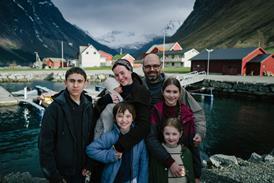
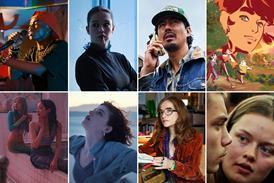
Projects with more equality on set last year included Richard Linklater’s Nouvelle Vague, with women accounting for some 53.8% of top jobs, Louise Hemon’s The Girl In The Snow, Amelie Bonnin’s Leave One Day, with 53.3%, and Deni Oumar Pitsaev’s Imago, all of which premiered at Cannes Film Festival this year.
Standing out in the study is the fact that films with female directors tend to have more women in key positions on set. 49.1% of top jobs on female-directed films were held by women in 2024, compared to 22.9% for films directed by men.
Amid what are mostly dwindling figures, the study did reveal some silver linings. There were 103,797 women employed in the film and audiovisual industries in France in 2024, down 4.6% from 2023, but up by 8.6% compared to 2019. However, their hourly salaries were less than those for men in 34 professions among the 58 jobs in the study.
Ageism is also evident in the figures. The number of actresses above age 50 cast in feature films continues to drop. Some 35.2% of actresses were more than 50 years old in 2024, down from 41.9%.
The under-30-year-old category, however, is closer to parity, with 45.3% women and 54.7% men. Actresses are also paid less than men across every age category.
CNC moves into action
Parity in the industry is a ”major issue”, said CNC president Gaetan Bruel in Paris last week.
The CNC is putting its money where its mouth is. In addition to the introduction in 2014 of this comprehensive study and a parity bonus in 2024, it ensures 50-50 parity among its own commissions that determine which films receive aid, only supporting film festivals whose juries include as many women as men.
It has also launched a series of parallel reforms to prevent sexual assault on film sets with mandatory trainings and other resources to make sure that women feel safe throughout the production process in this post # MeToo era.
But in response to the study findings, Bruel said: “It is time to renew our tools, which are clearly running out of steam.”
“Today, the figures are stagnating and clearly show that this measure has reached a ceiling at a level that is not satisfactory.”
Bruel said he agreed with the introduction of a penalty for films that do not include a minimum level of gender parity in key positions, mooted by the culture minister Rachida Dati earlier this year.
“Parity is priceless, but its absence will now come at a cost,” he said. “This is a paradigm shift and a message to the entire industry: we will no longer be satisfied with good intentions. The movement must be real and measurable.”
He said the penalty would be officially put into place by the culture minister “rapidly,” and that they hoped to finalise details before the 2026 Cannes Film Festival and in effect by January of 2027.






No comments yet