






The second feature from actress-turned-filmmaker Godrèche bows in Cannes Un Certain Regard
Dir: Judith Godrèche. France. 2026. 117mins
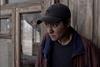
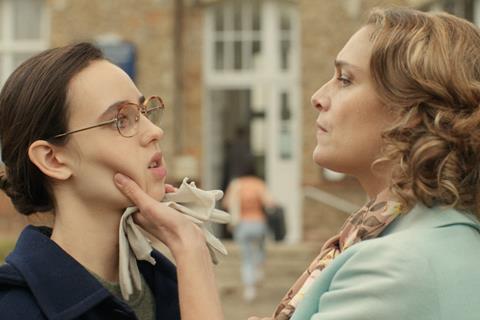
When we first meet young Annie (Tess Barthélémy), the protagonist of this adaptation of the autobiographical novel by Annie Ernaux, she is very sure of herself and her ambitions. It’s 1958, and Annie is a bright teenager from Yvetot, a small, unfashionable Catholic town in France. She is brimming over with a burning passion to see the world – and, above all, to meet kindred spirits. Yet, as actress-turned-filmmaker Judith Godrèche’s sensitively-handled second feature shows, it’s Annie’s time spent as a summer camp counsellor, and the problematic sexual experiences she has there, that will leave the biggest impact on her life.
A story with relevance to contemporary teenagers
It is helpful to see a ‘MeToo’ film that illustrates in such a clear-eyed way the complicated role a victim’s own misinterpretation of their own narrative can play in such dynamics, and it’s also a powerful testimony to the importance of Ernaux as a novelist. That Godrèche has a personal connection to the film’s themes, having herself been the victim of alleged assaults by, among others, Harvey Weinstein, adds additional poignancy. The most recent big screen adaptation of Ernaux’s work, Audrey Diwan’s Happening (2021) took the Golden Lion at Venice; Godrèche’s film, which is screening in Cannes Un Certain Regard, is equally deserving of attention, and will likely be embraced by similar audiences to Diwan’s film.
In the grand universal tradition of teenagers everywhere, when we meet Annie she is snippy with her mother (Ariane Labed), who is concerned about Annie’s upcoming plan to go away from home to work onsite as a counsellor at a summer-school-slash-health-camp for underweight children. Unfortunately, these valid concerns express themselves via thin-lipped disapproval and fussing over details such as creases in a freshly pressed dress, which inevitably reads to Annie as so much petty-minded bourgeois fuss about nothing.
There is a curious dynamic at work here, since director Godrèche is star Barthélémy’s actual mother, which gives the mother-daughter scenes a certain added piquancy. This isn’t detrimental nepo-casting, however: Barthélémy is astonishing in the role, inhabiting a living, breathing human being who will elicit strong feelings of protectiveness.
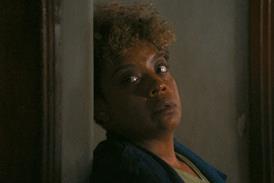
Framing the main narrative is the adult Annie (Valérie Dréville), now much older than her own mother was in 1958, and a very different kind of woman to boot. She has grown into the famous novelist Annie Ernaux, and the account of her time as camp counsellor and beyond in 1958 forms the substance of her latest novel; she is returning to Rouen to read an extract.
The film manages to pull off an electrifying moment where the older Ernaux imagines her younger self in the audience and they stare into each other’s eyes. We know this is not intended as a literal truth, and it beautifully embodies the way in which writing about past events can act as a time machine, bringing the writer face-to-face with their younger self. In the wordless exchange between the two versions of this woman, there is a sense of coming to terms with the authorial anxieties the film expresses. Do we become someone else as we age, and if so, what responsibilities might an author have towards that young person they once were? Perhaps, this scene suggests, honesty and self-compassion can co-exist.
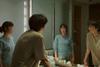
The majority of the film is, however, spent firmly in the world of young Annie as she navigates the social hierarchies of the camp counsellors, who are slightly older than her but also still very young. That they are largely isolated from more responsible adults creates ample opportunity for social and sexual cruelties. Indeed, the film expertly demonstrates the influence of social capital on toxic sexual relationships; the two are deeply intertwined.
Annie believes herself in love with H (Victor Bonnel), the head counsellor, whose alpha dog status plays its role in ensuring that she is more than willing to gaslight herself about the nature of their relationship, with barely any manipulation from him. He treats her abusively and she makes excuses for him, interpreting what is happening to her the only way she knows how.
There is a deliberately airy sense of timelessness to Elisa Ingrassia’s costume work and Damien Rondeau’s production design – they don’t stray into overt anachronisms, but neither do they insist on suffocating period veracity. This choice gives the film room to breathe as a story with relevance to contemporary teenagers. None of these kids have iPhones but, when you watch the girls putting on their make-up and the boys eyeing the girls, the gulf between teens now and then collapses: this isn’t a film about things that used to happen, it is a film about what still happens today.
Production company: Windy Productions, Moana Films
International sales: Paradise City Films, sales@paradisecity-films.com
Producer: Carole Lambert, Marc Missionni
Cinematography: Joachim Philippe
Production design: Damien Rondeau
Editing: Guillaume Lauras
Music: FAUX AMIS
Main cast: Tess Barthélémy, Valérie Dréville, Victor Bonnel