


Teodora Ana Mihai’s third fiction feature premieres as a Berlin Special Gala
Dir: Teodora Ana Mihai. Belgium/Netherlands/Germany. 2026. 92mins
The tragic events at the 1985 European Cup Final between Liverpool and Juventus at Brussels’ Heysel Stadium provide the jumping off point for a film that explores the moral responsibilities and dilemmas resulting from an unimaginable crisis. The third fiction feature from Belgian-Romanian director Teodora Ana Mihai is not a film about football; rather it’s about the dynamics of decision-making and the shaky structure of institutions. The bravura technical achievements of this richly textured, dynamically photographed period piece are not always matched by a screenplay that can, at times, feel a little laboured.
Paints a pessimistic picture of European unity
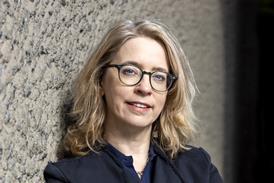
Mihai first caught the attention of programmers and audiences with her fly-on-the-wall documentary, Waiting for August (2014) which won numerous festival prizes. She followed this with her fiction debut, the Mexico-set thriller La Civil (2021), which premiered in Cannes’ Un Certain Regard, and Traffic (2024), which was written by Cristian Mungiu and screened widely in festivals. Although it is 40 years since the Heysel disaster, it’s an event that still casts a long shadow over the game of football and as such, the film should generate both interest and emotionally charged responses at further festivals. The appetite for the picture in theatrical audiences will likely vary from territory to territory.
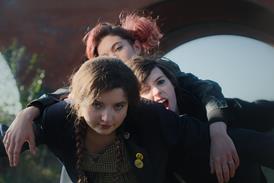
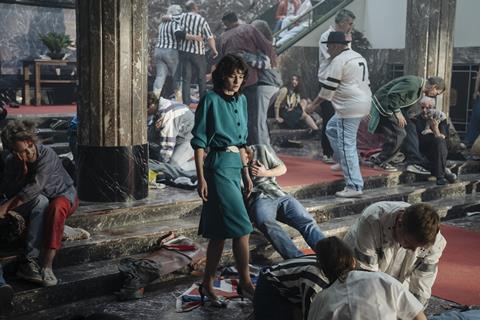
Heysel 85 is told mainly from the point of view of two characters: Marie (Violet Braeckman) is the daughter of Brussels’ Mayor and is working as his press secretary; Luca (Matteo Simoni) is an Italian broadcast journalist who was raised in Belgium. And there is no question that it is an accomplished piece of filmmaking. In the run-up to kick off, Mihai threads real archive footage of pre-match tension into the propulsive, fluid shots of behind-the-scenes preparation. The film is photographed on 16mm, using long, sinuous takes – it gives the picture a period-appropriate graininess that allows the actual video footage from the time to assimilate visually into the story.
Even more impressive is the use of sound. Mihai sparingly uses footage of the actual event – the panicked crush of supporters resulting from a collapsed dividing wall – but refrains from showing too much. The material is distressing; there is a warning about its inclusion at the beginning of the film. More effective is the sound design; the rumbling and distant screams are amplified in the corridors under the stadium. The camera, close on Maria’s face as the panic mounts, captures a sense of sickening dread.
Using Marie and Luca as touchstones and as the lens through which we view the story, we are introduced to a huge cast of characters. But both Marie and Luca have a personal investment in the tragedy. Members of Luca’s family, including his younger brother, are in the stadium. And Marie has both a professional and personal responsibility to her father who, it becomes increasingly clear, is not up to the task in hand.
It’s important to note that key characters and the background events have been dramatised. In real life, Brussels’ mayor at the time was Hervé Brouhon. The film’s mayor, Marc Dumont (Josse De Pauw), is an ineffectual alcoholic who is obsessed with his past glories. Mayor Dumont is not alone in his indecision. Much of the main body of the film takes place in the makeshift incident room in which pompous men argue about the blame and right thing to do in the circumstances.
And it’s here, in the endless rounds of bluster and finger-pointing, that the picture starts to lose momentum. As nationalities turn against each other, and multi-lingual Marie is forced to translate others’ words but denied her own voice, the film paints a pessimistic picture of European unity in the face of disaster.
Production company: Menuetto
International sales: Salaud Morisset festival@salaudmorisset.com
Producer: Hans Everaert
Screenplay: Lode Desmet, Isabelle Darras, Teodora Ana Mihai
Cinematography: Marius Panduru
Editing: Bert Jacobs
Production design: Hendrik Van Kets
Music: Anna Katharina Bauer
Main cast: Violet Braeckman, Matteo Simoni, Josse De Pauw, Fabrizio Rongione, Paolo Calabresi