







Paul Feig directs a dull, style-over-substance adaptation of Freida McFadden’s viral novel
Director: Paul Feig. US. 2025. 131mins
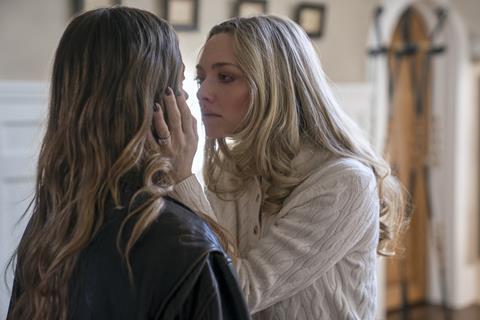
Based on the best-selling 2022 novel by Freida McFadden, The Housemaid leans full-tilt into the campy twists and turns that made the book such a social media sensation. Stars Amanda Seyfried and Sydney Sweeney hold nothing back as, respectively, a wealthy housewife and her new live-in hired help – both of whom are keeping dangerous secrets. As was the case with the source material, however, glamorous visuals and a kitschy vibe aren’t enough to paper over a threadbare plot, thinly drawn characters, obvious dramatic beats and an ill-advised central conceit.
Could be described as a faithful adaptation of a problematic book
Director Paul Feig has helmed several films about the interactions between women; the best, like Bridesmaids (2011) and Ghostbusters (2016), riff on authentic bonds between female friends with grace and humour. But much like A Simple Favor (which grossed $98m on its release in 2018) and its sequel (which went directly to streaming earlier this year),The Housemaid, which opens in the US on December 19 before rolling out globally, instead trades on the jealousy, insecurity and vengeance of wronged women, pitting them against each other. That likely won’t stop audiences from being tempted by the eye-catching cast, and the book’s army of social media fans will surely be out in force – this is a film that will be powered by influencer word of mouth.
Sweeney is Millie, a down-on-her-luck ex-con who is finding it difficult to adjust to life after being released from prison for a crime that is revealed in flashback around the midway point. On probation, and desperate to find a job and a place to live, she thinks her luck is in when she lands a position as the live-in housemaid for the wealthy Winchester family on Long Island, New York; Nina (Seyfried), her handsome, too-good-to-be-true husband Andrew (Brandon Sklenar) and their young daughter Cece (a scene-stealing Indiana Elle).
Even those unfamiliar with the novel will be immediately aware that something is amiss in this palatial pad. Cinematographer John Schwartzman’s camera practically stalks through the rooms, while Theodore Shapiro’s overwrought score shrieks danger from the off. In these early scenes, Seyfried plays Nina like a perfect, buttoned-up princess – but there’s something else lurking behind that smile. We also know, thanks to Sweeney’s voice-over, that Millie is hiding her own secrets, which means that the place, and everyone in it, is festooned with red flags.
The audience is supposed to understand this, of course; indeed, the whole story hangs limply on spoilers which it would be unfair to reveal. Yet Rebecca Sonnenshine’s screenplay leaves absolutely no room for nuance or subtlety in the set-up, which lasts for almost half of the film’s bloated running time, nor in anything else that happens on screen. As Millie moves into the Winchesters’ attic, cleans the house and prowls around in various skimpy outfits, Nina grows increasingly unhinged, and the whole thing descends into an unintentional parody of glossy, male-gazey late 80s/early 90s domestic thrillers.
There could be some guilty pleasure to be found in watching Seyfried and Sweeney go head-to-head if the whole thing wasn’t so ludicrous. The plot holes, logic leaps, and narrative laziness that don’t seem to hamper a Booktok sensation are amplified on the big screen, and many audiences will find it impossible to see past them. Savvy viewers will also see the supposed twist coming from a mile away, a revelation that fuels a climactic, increasingly hysterical final third meant to pull everything together and shockingly redraw events.
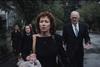
Throughout the film, Feig and Sonnenshine largely stay faithful to the book – apart from glamming up (and slimming down) the character of Nina, increasing the role of Andrew’s overbearing mother (an austere Elizabeth Perkins) and tweaking some key events so they become even more luridly exploitative. Yet they baulk at McFadden’s original ending; dampen it down, neaten it up. Still, the denouement remains so obvious, so unpleasant, that it doesn’t improve or excuse anything that has come before.
The Housemaid could be described as a faithful adaptation of a problematic book, foregrounding the easily digestible, style-over-substance shlock that made the book such a viral hit. Fundamentally, however, it remains hugely questionable as to whether this kind of story should ever be told in this kind of way. And while the filmmakers are clearly aiming for some kind of female revenge catharsis – or justification – the result is a dull, distasteful feature that feels outdated and entirely out of touch.
Production companies: Hidden Pictures, Pretty Dangerous
International sales: Lionsgate, filmsales@lionsgate.com
Producers: Todd Lieberman, Laura Fischer, Paul Feig
Screenplay: Rebecca Sonnenshine, based on the book by Frieda McFadden
Cinematography: John Schwartzman
Production design: Elizabeth Jones
Editing: Brent White
Music: Theodore Shapiro
Main cast: Amanda Seyfried, Sydney Sweeney, Brandon Sklenar, Elizabeth Perkins, Michele Morrone, Indiana Elle