




Jack O’Connell appeared in the TV series Skins on E4, and in UK indie films such as Eden Lake and This Is England, before being propelled to leading-man status by his performances in 2013’s Starred Up and 2014’s ’71.
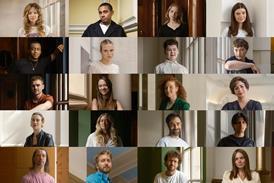
He was nominated for Bafta’s rising star award in 2015 alongside Margot Robbie, Miles Teller, Shailene Woodley and Gugu Mbatha-Raw – winning the award in a public vote. In the past year, he has terrified audiences in Sinners and 28 Years Later: The Bone Temple.
What do you remember about being nominated?
I remember it came on the back of an amazing year, and two jobs – Starred Up and ’71 – that I feel enormously proud about to this day. I love it when British cinema is firing like that, and it felt like those two projects were emblematic of what makes British cinema exciting. For that to have landed on Bafta’s radar felt like affirmation.
How did you feel when your name was called on the night?
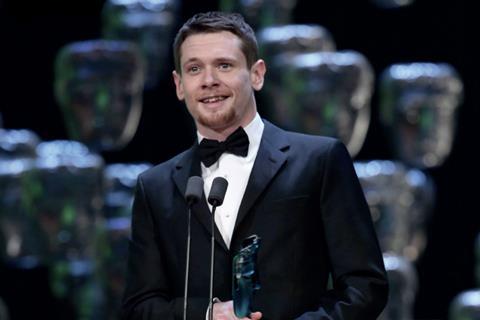
Truly elated, man. You don’t know what you’re going to do in that situation, but if you watch it back, I spring out of my seat, just out of an involuntary impulse. I love that moment because I’m sat right beside my agent [John Grant] who I’ve been with from the start, and I can see what it means to him as well. And so it means a lot to me. I have watched it back on YouTube, I’m not too proud to admit.
What do you remember about your speech?
I just remember so many very famous people looking at me. It was hosted by Stephen Fry, who I think is phenomenal, and awarded to me by James McAvoy – an actor I’ve looked up to for a long time. So it all felt quite illustrious. I didn’t have anything prepared. I just knew I wanted to thank Ian Smith [of the Television Workshop drama school in Nottingham], and once I’d managed to get that out, it was just a case of trying to get out of there.
How did you celebrate after the ceremony?
This was back in the days when I would stay out quite late, so, yeah, there was some revelling. I managed to hand off the award to one of my agents for safety, and then there was a shindig. It panned out that there was no more press to be done the next day, and it fell at a nice time in the schedule where I could just therapute myself from a night of celebrating, which is recommended.
Did you meet any of your heroes?
As I’m walking up to the stage, you can see I’m walking past Ethan Hawke. And I’m caught in two minds. I need to go up on stage to receive this award, but there’s Ethan Hawke! So I sort of automatically stroll towards him. I don’t know what I’m going to do when I get there, so I awkwardly just pat the back of his chair. Some people are great at all that stuff. I’m not. It’s a bit of a crackers industry that we’re in, isn’t it?
You’re not too comfortable with award ceremonies, then?
I love the recognition, I love what it offers us as creatives. There’s a lot of eyes on what Bafta is doing as an organisation, globally, so I’m behind all that. Nights like those are to be celebrated. But for me it’s all about being in the weeds: up to your neck in it, and telling these stories, and them connecting to people. That is the kind of drug I find myself continuing to need.
What impact did winning the Bafta have on you?
I had already been working in the industry for 10 years, and so any kind of recognition felt exceptional. It gave me a feeling of confidence, of belonging in this business. And the rising star award is voted by the public. How you look at that, it depends on your faith in democracy, but to me it was all the more heartwarming for that reason.
What did your family think?
It’s just something tangible to hand around and say, “There you go, nana, that’s a Bafta.” It’s so special, isn’t it? It stays with me.
Where do you keep your Bafta?
I can’t tell you, I’m too paranoid about burglars! I live in London. But you wouldn’t miss it. If you did want to burgle my house, you’d find it pretty quickly.






No comments yet